
Online Workshop Series

Information:
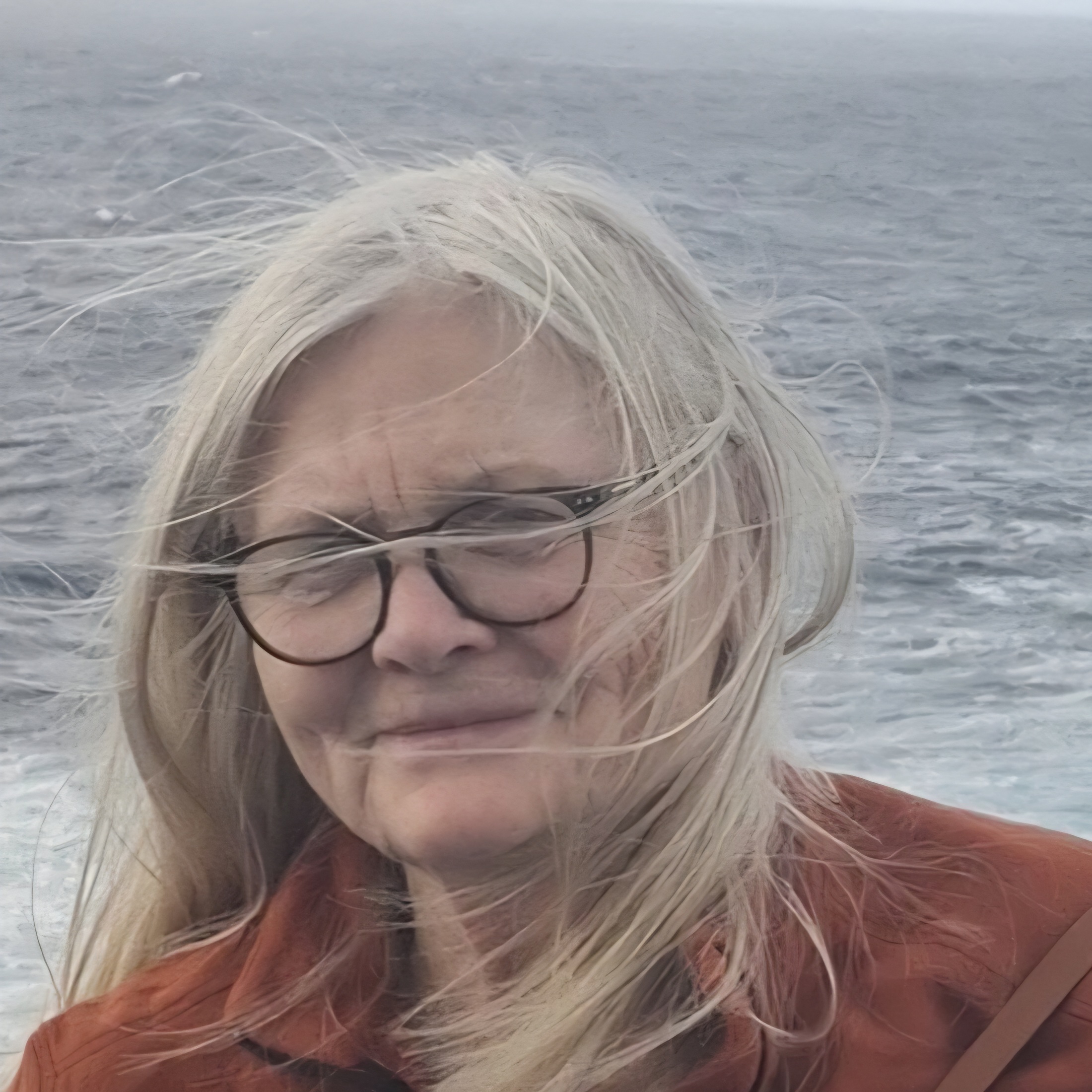
Lena Hellblom Sjögren, Ph.D.,
is a Swedish licensed psychologist who has investigated and researched individual cases of contact refusal for three decades. She has been an expert witness in courts all over Sweden and Norway, focused on the child’s human rights to family life.
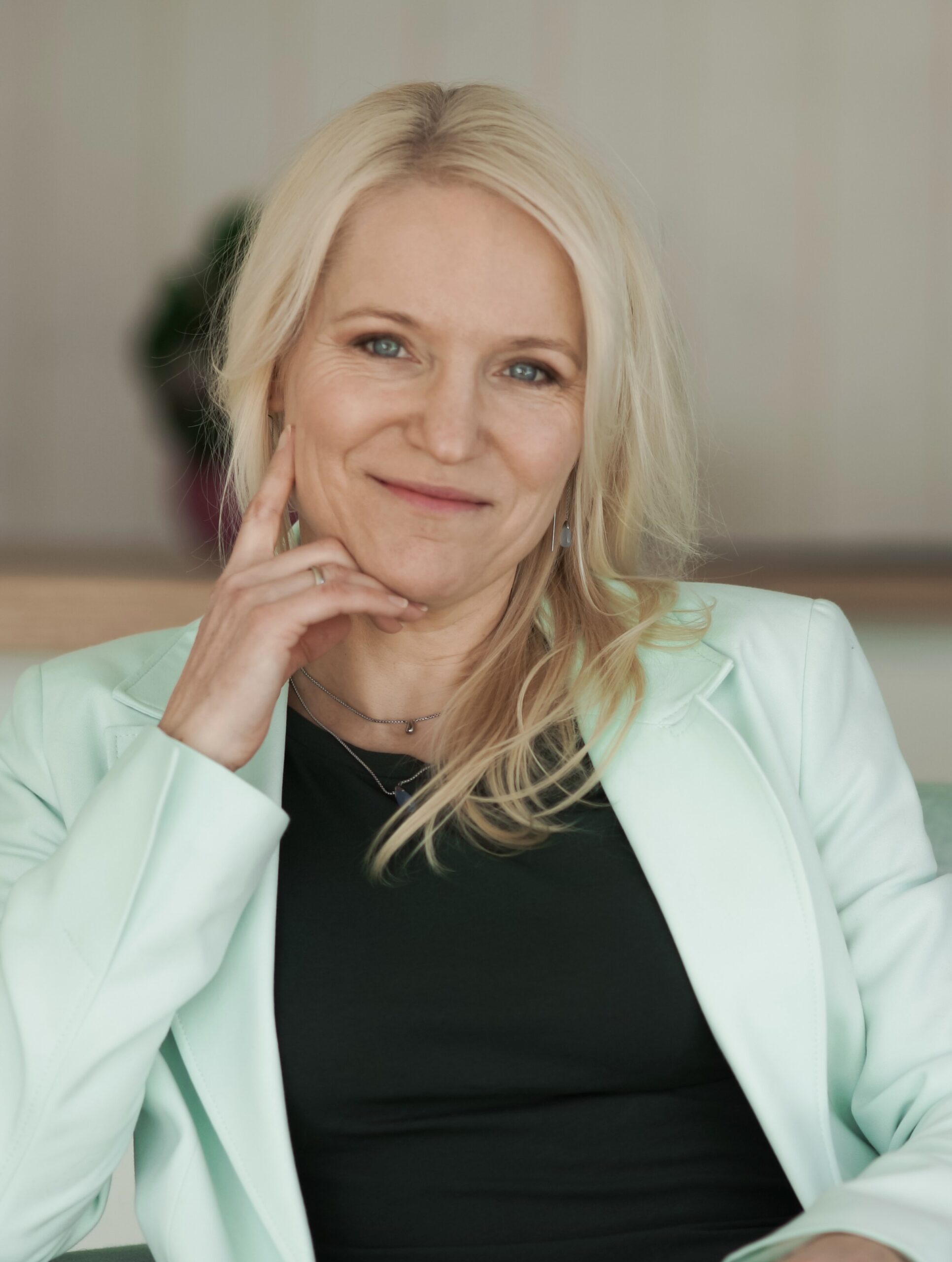
Kaire Talviste-Baiocco, M.A. (EGTC)
Expert assessment of a child’s
best interests in family matters.
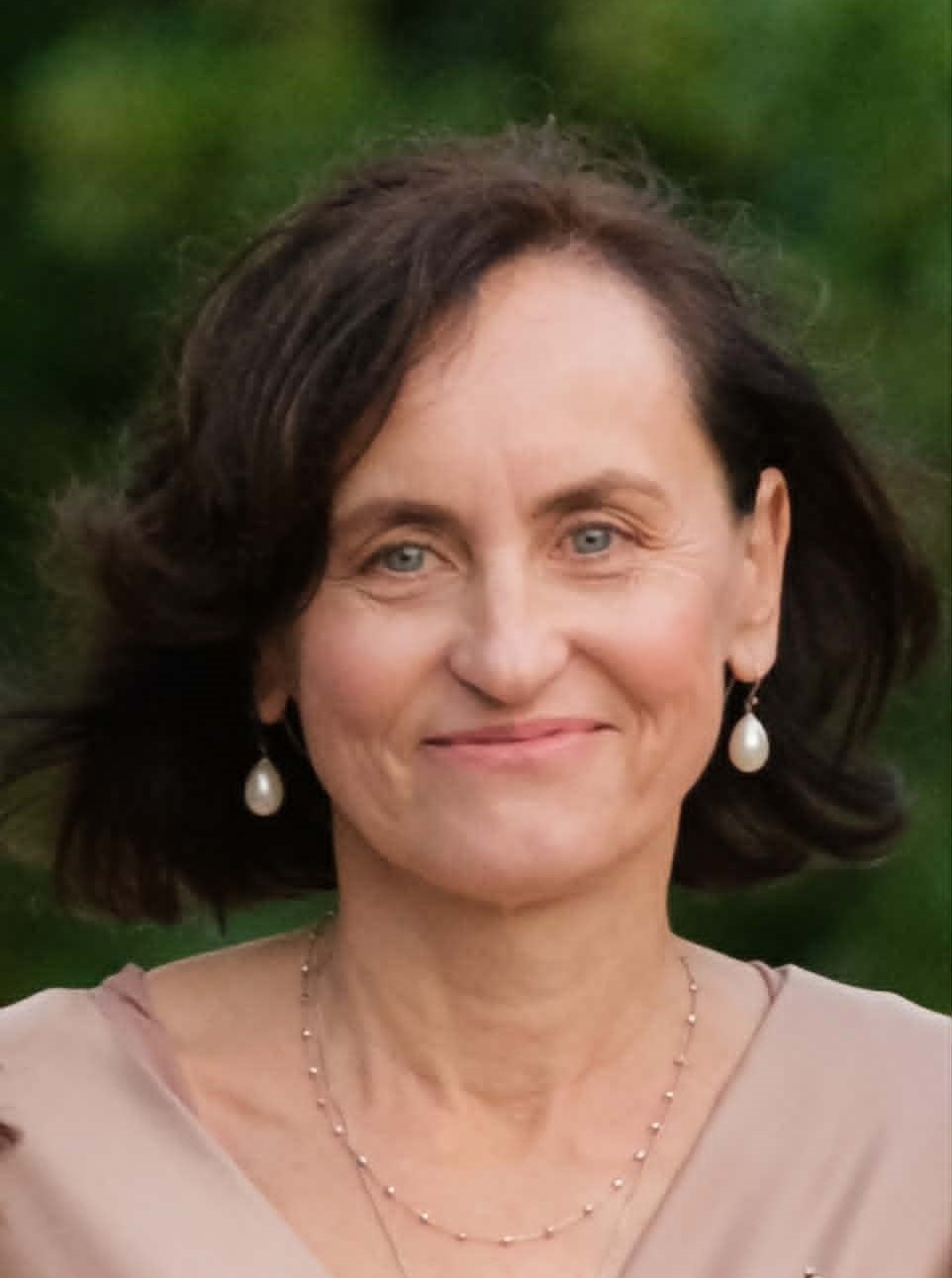
Kati Valma - Adjunct lecturer in child welfare assessment and case management at Tallinn University
Extensive experience as a child protection worker, including with high-conflict families;
participation in court proceedings to assess the best interests of the child.
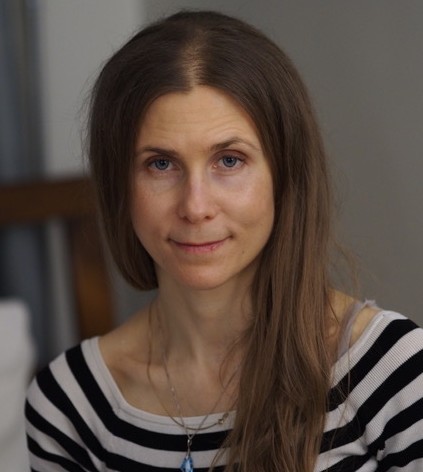
Rafaela Lehtme, PhD. (Tallinn University)
Lecturer of Children's Rights and Advocacy in Tallinn University
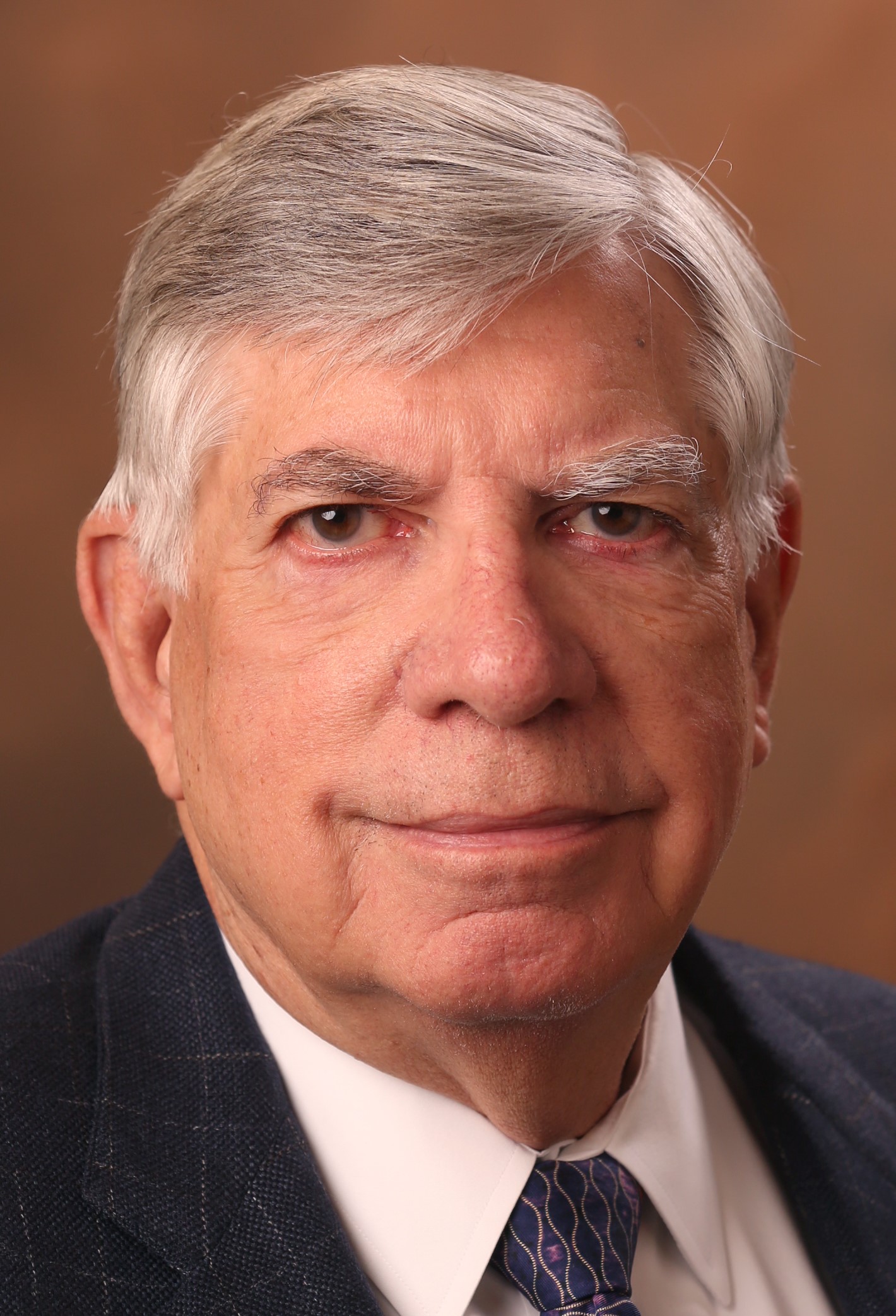
William Bernet, M.D.
Professor Emeritus Department of Psychiatry and Behavioral Sciences Vanderbilt University School of Medicine Nashville, Tennessee, USA
ONLINE WORKSHOP SERIES FOR SPECIALISTS
High-Conflict Separation &
The Child Best Interests
Family Violence, Child Psychological Abuse,
Parental Alienation
“There are no battles in the courtroom more brutal or intense
than those fought over children,”
-an attorney with extensive experience in post-separation custody cases.
Some custody disputes become so heated that they spill into the public sphere, where people are compelled to form opinions and take sides based on limited information. Issues involving children resonate deeply - with personal histories, emotional responses, and genuine compassion all shaping public perception.
Professionals working with these highly complex cases are not immune to these same influences. They operate in an environment of conflicting narratives, competing interests and power struggles. At the same time, they are expected to remain focused on one central principle: the best interests of the child.
This requires a high level of professional knowledge, skills and self-awareness, an ability to recognize one’s own biases, value systems, and emotional triggers, alongside the professional duty to act when a child’s well-being is at risk. It also demands a clear understanding of which behaviors are harmful to children, what they need protection from, and what constitutes “good enough” parenting.
The most crucial question: how can children be protected
in high conflict separation?
How can harmful and abusive behaviors, particularly those which end up for a child by losing one parent, be recognized and evaluated? How can theoretical knowledge be supportive, understood and thoughtfully addressed in professional practice?
This workshop series is designed to explore these important questions in depth. It offers a space for respectful dialogue, shared reflection, and meaningful professional exchange in a supportive and collaborative environment.
We are especially honored to welcome internationally renowned experts, who will share their knowledge, experience, and diverse perspectives on navigating the complex challenges that arise in high-conflict family contexts.
This is a rare opportunity to engage directly with leading voices in the field, gain valuable insights, and connect with other professionals committed to thoughtful and effective practice.
21.05.2026 Module II
10:00 – 10:15
Welcome & Opening Remarks | Kaire Talviste-Baiocco, M.A. (EGTC)
10:15 – 10:30
Guest insight | Kati Valma, experienced childprotector
10:30 – 12:00 The child′s right to family life: Understanding Parental Alienation as a Human Rights and Family Violence Concern | Lena Hellblom Sjögren, Ph.D.
- The best interests of the Child and Children’s human rights
- The Third Optional Protocol to the UN Convention
- Discussion & Q&A
12:00 – 13:00 lunch break
13:00 – 14:30 The child′s right to family life: Understanding Parental Alienation as a Human Rights and Family Violence Concern | Lena Hellblom Sjögren, Ph.D.
- A well-intentioned principle “Listen to the child”
- Considering the following areas: neurodevelopment, attachment theory, learning psychology, suggestibility and memory, personality functioning and disorders
- 4 cases for analyzing
- Conclusions about the child´s best interests in a lifespan perspective.
30.04.2026 Module I
A recording is available for later viewing.
10:00 – 10:15
Welcome & Opening Remarks | Kaire Talviste-Baiocco, M.A. (EGTC)
10:15 – 10:30
Guest insight | Rafaela Lehtme, PhD. (Tallinn University)
10:30 – 12:00 Clinical and forensic insights into parent-child relationship patterns | Prof. Emeritus William Bernet, M.D.
- Addressing parent child contact problems.
- What is the Five-Factor Model, and how may it be responsibly applied within clinical and forensic settings?
- Diagnosing and differentiating between alienation and estrangement.
- Discussion & Q&A
12:00 – 13:00 lunch break
13:00 – 14:30 Clinical and forensic insights into parent-child relationship patterns | William Bernet, M.D.
- Address the scientific validity of research on parental alienation, specifically, the research regarding the components of the Five-Factor Model.
- Discussion & Q&A
Register for the Workshop Series
SIGN UP